
Expert Tips on Trading Pokemon Cards: What You Need to Know
Trading Pokémon cards has become more than just a childhood pastime; it's a thriving hobby and, for some, a lucrative venture. Whether you're a seasoned collector or a beginner, understanding the nuances of trading can elevate your experience and ensure you get the best deals.

Understanding Card Value
The first step in trading Pokémon cards is to understand their value. Cards are valued based on rarity, condition, and demand. Rare cards, especially those in mint condition, can fetch a high price. Always check recent sales on platforms like eBay to gauge current market trends.
Rarity and Demand
Rarity is often indicated by symbols on the card. Cards with a star symbol are rare, while those with a circle are common. However, demand can fluctuate, so a card that wasn’t valuable yesterday might be sought after today. Keeping an eye on community forums and trade shows can provide insights into what’s hot.
Inspecting Card Condition
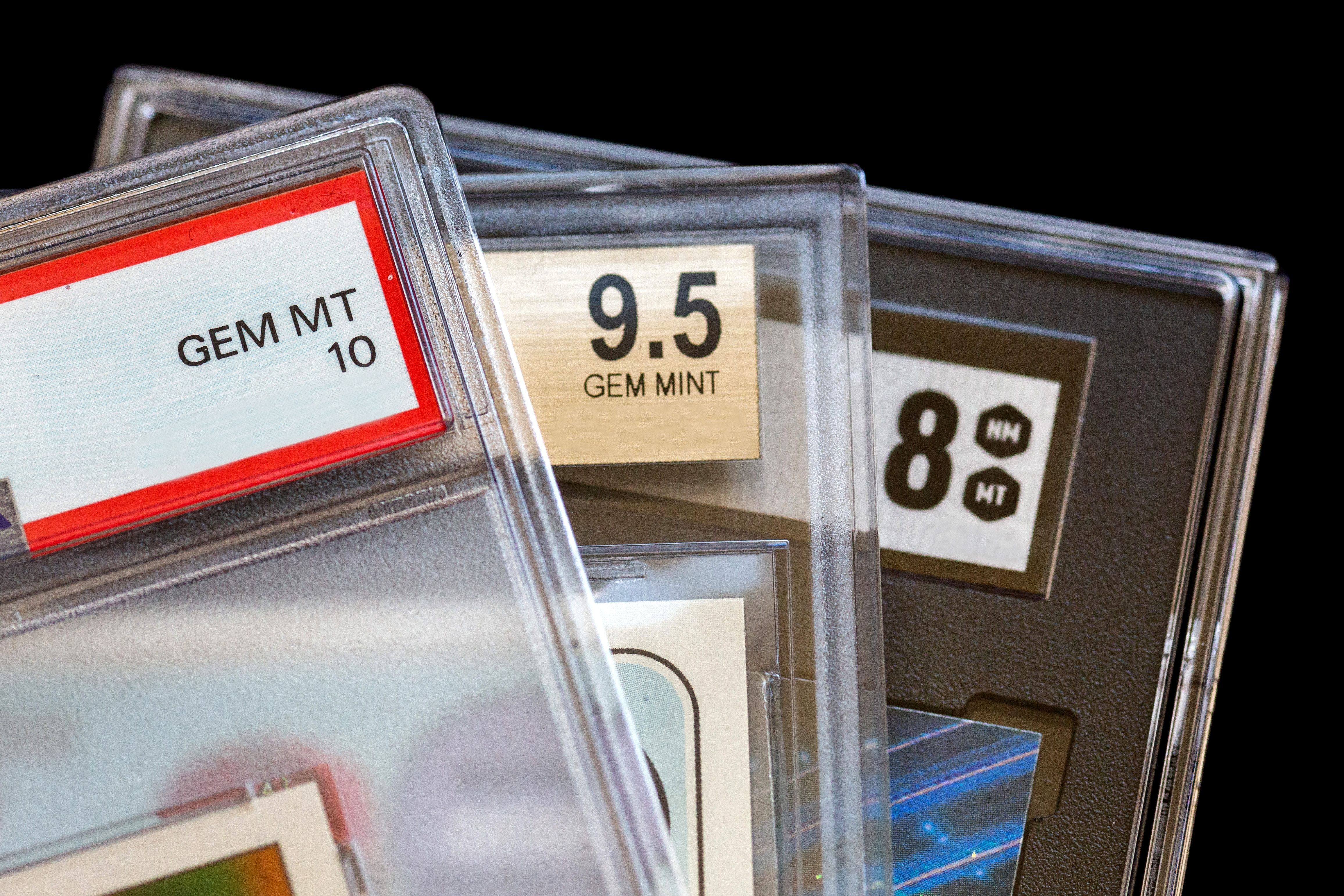
A card’s condition significantly impacts its value. Cards are graded based on their centering, edges, corners, and surface. Professional grading services can authenticate and grade your cards, but learning to spot imperfections yourself is crucial for everyday trades.
Grading Scale
The grading scale typically ranges from Poor to Gem Mint. A Gem Mint card is flawless, while a Poor card has significant wear and tear. Knowing how to assess a card’s condition will help you avoid overpaying or underselling.

Building a Trading Network
Having a reliable network is invaluable. Engage with local Pokémon leagues, online forums, and social media groups. Building relationships with other collectors can lead to better trades and insider knowledge about upcoming trends and events.
Trade Shows and Events
Attending trade shows and events is a great way to meet other enthusiasts and see rare cards. These venues often have expert appraisers who can provide insights and valuations, adding to your knowledge base.

Negotiation Tactics
Successful trading requires negotiation skills. Always be prepared to discuss card values and potential trades openly. It’s important to be fair and transparent, as this builds trust and reputation within the community.
Offering Fair Deals
When proposing a trade, make sure it’s balanced. Consider the current market value and rarity of the cards involved. Being known as someone who offers fair trades will enhance your credibility and lead to more successful exchanges.
Trading Pokémon cards can be a rewarding endeavor, both personally and financially. By understanding card values, inspecting conditions, building a network, and honing negotiation skills, you can excel in this vibrant hobby. Happy trading!